
Attractions In The Historic Triangle
Explore the Historic Triangle of Virginia, where vibrant attractions invite adventure at every turn. Stroll through the living history of Colonial Williamsburg, uncover the beginnings at Jamestown, and witness the triumphs of Yorktown, all while thrilling rides and water attractions await at Busch Gardens and Water Country USA, ensuring unforgettable family fun amidst this rich tapestry of American heritage.
Colonial Williamsburg
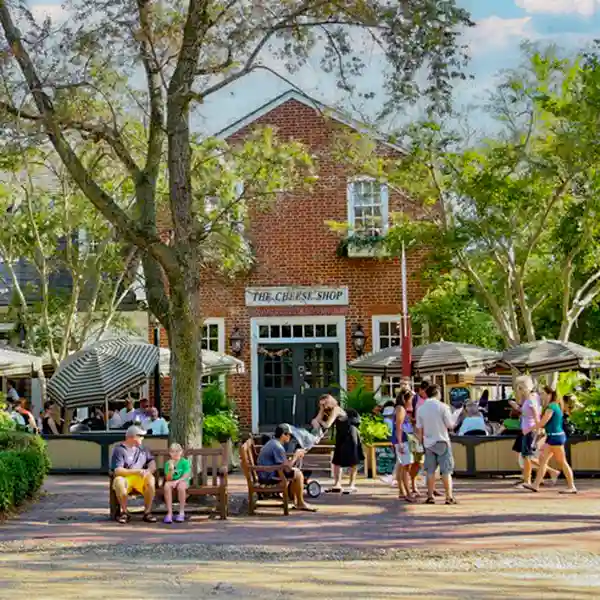
Colonial Williamsburg stands as a remarkable testament to the resilience and creativity of early American settlers. More than a museum, it offers an immersive journey through the 18th century, where history enthusiasts and curious visitors alike can experience the vibrancy of a bygone era. As you wander through the meticulously preserved streets, each building and artifact reveals the intricate stories of daily life during a time of transformation.
As you explore, don’t miss the chance to visit the historic sites like the Raleigh Tavern, where notable figures such as Thomas Jefferson and Patrick Henry once gathered to discuss the future of American governance. These landmarks not only provide insight into political discussions of the day but also highlight the camaraderie and challenges faced by the founding fathers as they forged a national identity.
Colonial Williamsburg invites every visitor to not just witness history, but to live it. As you immerse yourself in the sights, sounds, and stories of this vibrant community, you will leave with a deeper appreciation for the journey that shaped our nation. Whether you are seeking knowledge, adventure, or a peaceful retreat, Colonial Williamsburg offers an extraordinary setting for exploration and discovery.
Jamestown
Established in 1607, Jamestown is steeped in stories of adventure, hardship, and resilience that shaped the course of a new nation. The early years were fraught with challenges. Colonists faced severe food shortages, harsh winters, and conflicts with Indigenous tribes. The settlers learned from Native Americans, adopting essential agricultural techniques and forging connections that would prove vital for their survival. This interplay between cultures not only shaped the settlers’ lives but also laid the groundwork for the complex relationships that would evolve in America.
The reconstructed Fort Jamestown offers a glimpse into the daily lives of the colonists, showcasing their struggles and achievements. You can wander through the archaeological exhibits that reveal artifacts from the 1600s, each piece telling its own story of resilience and adaptation.
In addition to the fort, the expansive Jamestown Island is a natural haven where you can appreciate the beautiful landscapes that surround the site. The lush greenery and diverse ecosystems provide an enchanting backdrop for reflection on the trials faced by early settlers and their enduring legacy.
Yorktown
The Siege of Yorktown stands as a monumental event in the annals of American history, encapsulating the determination and spirit of a nation striving for independence. In the autumn of 1781, the tide of the Revolutionary War shifted dramatically. The British Army, led by General Cornwallis, had fortified its position in Yorktown, confident in its control over the American colonies. However, the combined forces of American troops under the strategic brilliance of General George Washington and the essential support from French allies were poised to change the course of history.
As the siege unfolded, American and French forces skillfully encircled Yorktown, effectively cutting off Cornwallis’s supply lines and reinforcements. The relentless bombardment and strategic maneuvering ultimately forced the British into a corner. This culmination of military strategy and unity showcased the resolve of the fledgling nation, as soldiers and civilians alike rallied behind the dream of a free and independent America.
The surrender of Cornwallis on October 19, 1781, marked a decisive end to major combat in the Revolutionary War. This pivotal moment not only boosted the morale of the American forces but also garnered international support for the cause of independence, signaling to the world that the United States was embarking on a new chapter of self-governance and democratic ideals.
Fort Monroe
Fort Monroe, in Hampton, Virginia, is steeped in history that reflects significant moments in American heritage. The fortress was constructed between 1819 and 1834, becoming one of the largest stone fortifications in the nation.
During the Civil War, it served as a vital refuge for escaped slaves under General Benjamin Butler, who declared them contraband of war, thus granting them freedom and protection. Fort Monroe’s strategic location also made it a military headquarters during key operations, including the Peninsula Campaign in 1862.
Jefferson Davis, the one-time lieutenant in the US Army and later President of the Confederacy, was imprisoned here for a year and a half after being accused of treason, plotting the assassination of President Abraham Lincoln, and mistreatment of Union prisoners of war.
It was decommissioned in 2011 and transformed into a national monument. Today, visitors can explore its historic grounds, including the stone walls, the Casemate Museum, and the chapel, each narrating the fort’s essential role in American history.
The Colonial Parkway
The Colonial Parkway is a scenic byway that weaves through the Historic Triangle of Virginia, connecting the historic sites of Jamestown, Yorktown, and Williamsburg. This picturesque route offers a delightful journey through lush landscapes and along the serene waters of the James River and the York River, providing an immersive experience into the natural beauty and rich history of the region.
In spring, vibrant wildflowers bloom along the roadside, while the summer months invite you to enjoy the shaded canopies of towering trees. In autumn, the foliage transforms into a stunning array of reds, oranges, and yellows, creating a breathtaking tapestry that enhances your drive.
Two of the highlights of the Colonial Parkway are the spectacular views of the James River and the York River. The panoramic vistas showcase the winding river, dotted with boats and wildlife. The sounds of nature surround you, and you may even spot eagles soaring overhead or herons fishing along the water’s edge.
Along the way, interpretive signs and visitor centers provide insight into the rich history surrounding the Parkway. The natural beauty of the Parkway is intertwined with the spirit of adventure that characterized the early settlers of Jamestown, the bravery of those who fought for independence at Yorktown, and the cultural vibrancy of Colonial Williamsburg.
it’s All Here!
We invite you to embark on an unforgettable journey exploring the vibrant narratives that shaped America. Experience interactive reenactments, guided tours, and educational programs that bring history to life, providing insights into the struggles and triumphs of early American settlers. As you traverse these historic landscapes, you will uncover the diverse cultural influences that contributed to the enduring legacy of our nation, making each visit a profound celebration of shared heritage.
Once you’ve seen all that…
Relax after a day of sightseeing with Jamestown Discovery boat tours. Dive deeper into the spirit of adventure with Williamsburg Wild airboat tours, where you can experience the thrill of gliding through the lush wetlands while learning about the region’s unique ecosystems. And for a more leisurely exploration, hop on a Williamsburg on Wheels e-bike rental for a fun and eco-friendly way to cruise through the charming streets of Colonial Williamsburg, uncovering hidden gems and vibrant history at your own pace.